Posted on 3 Comments

7 Seeds to Sow in April in Ohio

If you don’t like the weather in Ohio – just wait 5 minutes!

That’s how the saying goes in Ohio (and in a lot of places around the country) but this year’s weather has been exceptionally crazy! There was a lot less of the sub-zero temperatures, but instead of that, we’ve just been floating between 60-degree days & snow. You know there’s a problem when hydrangeas start growing/budding in late January when you’re in zone 6!

So, it’s early April – the weather is around 70 degrees – spring has come early, right?

Unfortunately – you couldn’t be more wrong!

On the positive side, there are still plenty of things that you can plant to get a jumpstart on your garden!

In the ground

Even though it may be 50-75 degrees for a few days doesn’t mean it will last forever – we’ve seen snow into May before (knock on wood we don’t have to deal with that this year)! However, there are some perfect candidates to plant at this time that will be able to withstand the cooler temperatures.

  1. Kale – this super green is extremely winter-hardy and can withstand temperatures as low as 18-20 degrees. Kale is packed with potassium, Vitamin K, Vitamin C, Iron, and other antioxidants that make it a great addition to salads, or my favorite, smoothies.
  2. Spinach – another super green that can withstand freezing temperatures, spinach can be planted in mid-April & you could harvest your first leaves within a month. The great thing about spinach & kale is that the flavor is actually sweeter when grown in the cooler weather. As you get into warmer summer weather, you’ll notice that your greens will get more bitter – and the plants may even begin to “bolt” or begin to flower – and you definitely don’t want to eat it at that point!
  3. Lettuce – it’s best to be too early rather than too late when planting leafy greens. Cool weather enhances the flavors, while warm weather produces a more bitter-tasting product.
  4. Garlic – depending on the variety, you can plant garlic in late fall (Oct-Nov) or in early spring (Mar-Apr). Again, garlic is extremely hardy to freezing temperatures & the cool weather builds the flavor profile.
  5. Carrots – a lot of gardeners won’t grow carrots because they’re a little tougher to grow, take about 100 days to harvest, and they don’t want to “waste” that space in the garden. In my opinion, they aren’t planting carrots because have never tasted a garden-grown carrot – who knew they had so much flavor! You can literally taste the earthiness & the sugar since it hasn’t been processed & stored for months before it makes it way into your fridge.
  6. Onions –  like garlic & carrots, onions are another root vegetable that develop more flavor in the cooler weather and they can withstand the cold temperatures extremely well!
  7. Potatoes – you can plant potatoes in the early spring as soon as you can work the soil but they won’t begin to grow until the soil temperatures reach about 45 degrees. It is important to grow potatoes in mounds or mounded rows. This ensures that the soil is loose & doesn’t hold too much water. Water-logged soil can lead to rot of the seed potato or lead to disease/fungus issues down the road.

Hopefully this helps if you feel like you’re too late to start your garden – it is NEVER to late to start growing! A lot of gardeners typically start seeds indoors to get a head start on the season. If you haven’t started seeds indoors, now is a weird time to start them indoors because you typically need 6-8 weeks before you can transplant.

If you still want to get a head start on tomatoes, peppers, eggplant, or other veggies that take a while to grow, I would recommend starting them in peat pods or a biodegradable pot that you can just plant straight into the ground. This will give you the option to start early, but won’t keep your plants trapped in a seed tray when spring does decide to stay for good!


Posted on Leave a comment

3 Tips on How to Care for your Seedlings

You started your seedlings a month ago – they’re growing like crazy, right?

If so – here’s how to keep them growing strong!

If not – this article will help you get them growing on the right track & help to set you up for gardening success this year!

The moment that you begin to plant seeds is such a revolutionary time. As you fill the seed trays with soil, you feel your soul being filled with the hope of growth; the hope that warm weather & bountiful yields are on the horizon. But first, you need to get these bad boys growing – and then you need to keep them alive & healthy!

Here are the most important things to monitor to grow like a pro!

  1. Light – I know this seems like a no-brainer, but it’s usually one of the hardest things to adjust for, and in my opinion, the #1 reason for new gardeners believing that they have a “black thumb”. Light is the most important thing for a plant to have – it’s how they transform carbon dioxide & water into food that fuels growth. When you start your seedlings in a window in February-March, there a few things you have to realize. You need a south-facing window. During winter & early spring, the sun will travel low in the sky in the south & a south-facing window has the most light exposure. Also, daylight hours are short, not usually long enough to facilitate proper growth because seedlings need between 10-14 hours of light to reach their full potential. If you see that your seedlings are getting “leggy” & stretching out – you may not have enough light and may need to consider using grow lights to get the results you want.
  2. Water – Again, it seems like a no-brainer, but trusting the plants to take care of themselves is another beginner mistake that just happens – you live & learn after a few seasons of “practice” 🙂 You want to make sure that you’re keeping water at an optimal level. What does that mean? Check on the soil – is it visibly dry? If yes, then water. If no, check later in the day or tomorrow. On the flip side, don’t keep the soil so moist that it never gets a chance to dry out. This will essentially drown the seedlings by not allowing air to get into the growing media – not to mention the potential for algae, disease, or fungus growth.
  3. Fertilizer – This was an area that I was always shaky about when I began gardening. Mainly because you think that the plant already has everything it needs. And also because you hear horror stories of people who over-fertilized & “burned” their plants up. The good news is that there’s this cool thing called a label on the fertilizer. If you read that, it will tell you exactly how much you need – in most cases it will even have a recommended rate for seedlings! As a rule of thumb, I usually look at the recommended rate & cut that in half and then will fertilize every other time I water the seedlings. This isn’t to steroid the plants out, but to keep them happy. If you are inconsistent with fertilization, it will affect the pH of the soil & affect the ability for the nutrients to be delivered through the soil media into the plants (this will have to be its own separate, and highly technical article in the future).

So I’m sure this advice seems basic or elementary, but success is on the other side of executing the fundamentals exceptionally well.

And if you want a more in-depth analysis & conversation around seed starting, check out the podcast I did with Tori from Mustard Seed Farm Market

Happy Gardening!

Posted on 2 Comments

Spring Fever Anxiety

It’s April – that time of the year when everyone is talking about having spring fever. Here in Ohio we have been getting teased with mild weather since the end of January – and then we’ll get snow, or ice, or both – but this year’s spring fever is different for me. I’m not just anxious for spring, but I’m also anxious for what the spring will bring & how my CSA Veggie Box Subscription is going to do.

As we inch into April I am still waiting on some additional seeds to come in, and quite frankly, it’s making me nervous as hell!

The good news is that I have all of the necessary crops planted:

  • 4 varieties of Tomatoes – Jelly Bean, Tommy Toe Candy, Golden Rave, & Tribute Hybrid.
  • 6 varieties of Peppers – Anaheim, Cayenne, Gurney’s Primo Jalapeño, Habanero, Yum Yum Mini Bell Peppers, & Ghost Peppers
  • Winter Wonderland Kale – I started this out under fluorescent lights & it was thin, leggy and I really wasn’t sure if it would recover. Once I got it under the TotalGrow Broad Spectrum LED lights it completely changed the game & now the kale is going wild with growth!
  • Green Onions – they aren’t growing as well as I would have liked, but you live & learn! The good news is that I can direct-sow those seeds in the soil now & then get the transplants out in the garden once they get to a good growth point – shouldn’t be too long!
  • Lettuce – this has been a huge fail & it’s my fault for using expired seeds. The good news is that lettuce grows fairly quickly. I’m replacing the failed lettuce trays with Buttercrunch lettuce.

The biggest reason for my Spring Fever Anxiety is the fact that I now have customers – I’m growing for a greater purpose other than just for my own curiosity & passion. I’m now spreading my passion into practicality and I think that is why it makes me so nervous. I want everything to be (nearly) perfect – I want to supply my friends & family with a full produce box bi-weekly & that is a much bigger challenge than simply growing veggies – it’s about planning AND growing veggies.

We’re exactly 2 months out from our first round of delivery, so there’s plenty of time to get the herbs, lettuce, spinach, radishes, and other small add-ons growing for harvest by then.

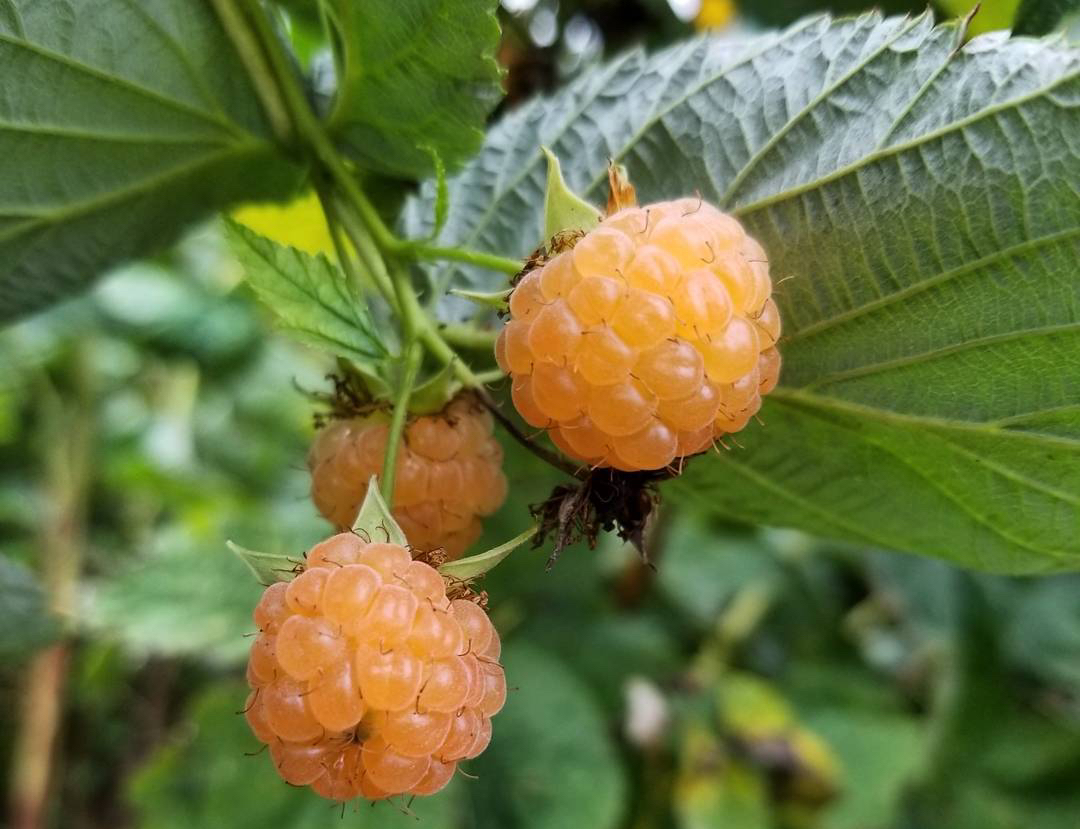
In addition, we have about 60 heads of garlic growing in the garden right now along with oregano, peppermint, 2 varieties of raspberries, and blackberries. I think we’ll get a good amount of raspberries this year – the golden raspberries will definitely burst with fruit & it should be the first fruiting year for the red raspberries & blackberry – fingers crossed!

IMG_20180325_183221_607.jpg

So far we have 5 confirmed customers and I am expecting at least 5-10 more. I really think that I could handle more than that and the good news is that we’re at a very scalable point in the game. Right now it is all about succession planting for the consumable crops.

The next step is to re-sow lettuce. This time around, I’ll start off with half of the tray – that should give us 36 heads of lettuce which should feed my customers for 2 weeks. So essentially, I will reseed lettuce every 2 weeks & do the same with similar consumable crops: radishes, cilantro, green onions, & spinach/kale (not so much because you can continue to harvest from these throughout the spring, but depends on consumption too!).

My reason for writing this post was to air out my irrational feelings of being behind the 8-ball & I think I realized that I am in a great spot even though it doesn’t feel like that! You have to take stock of where you’re at, admit your challenges & defeats, and then develop an attack-plan in order to conquer your concerns.

Gardening is definitely a patience game – it’s about the long-term – but if you aren’t auditing yourself on every micro-action, it is easy to fall behind. I feel a metaphorical sigh of relief after writing this post and I can’t wait to get out in the garden to turn that patch of dirt into a thriving ecosystem of life again!

Posted on Leave a comment

Growing Microgreens in the Plant Lab

Since we have set-up the Plant Lab I have been focused on growing the plants that will feed my customers for my small CSA I’m running this year – but I also wanted to test out Microgreens & see how well they would grow under the Total Grow Broad Spectrum LED lights we have.

Microgreens are baby seed sprouts that are harvested early for a robustly-flavored, nutrient-dense additions to everything from salads to sandwiches. Some of the common seeds used for microgreens include: arugula, beets, broccoli, basil, cilantro, dill, kale, carrots, radishes, sunflowers, mustard & more!

There were so many different varieties to choose from, it was hard to pick one to grow. I actually had Mustard seeds left over from last year’s test with Microgreens & I was determined to make it work this time around!

Here’s a link to the video version of this blog!

Before we get growing, here are a few supplies you’ll need:

  1. Seeds – take a packet, any packet! There are almost unlimited options for varieties to grow. I thought about what was typically missing from a salad that I like (spice) and chose my seeds (mustard) from there. I would recommend looking up “microgreen seeds” to get some ideas of options available & to make sure you’re not using a seed that is treated with fungicides, pesticides, etc.
  2. Growing Trays – a standard 10″x20″ tray will work just fine, but you can grow them in pots or anywhere you want.
  3. Growing Media – you can use standard soil mix, but I used Biostrate felt which is designed for growing microgreens (and I was curious how well it would actually work).
  4. Water – microgreens are like any other seed & need moisture to germinate and water to continue growing.
  5. Fertilizer – since we are usually using growing media that doesn’t include nutrients, we will need to add them to feed the microgreens throughout the growing process. I used Seedlingers Plant Fertelixer & had great results! It has an analysis of 3-.6-.6 & contains 3% calcium. The label states it is an all-natural, biological fertilizer & also says “Feed the soil. Feed the microbes. Feed the Plants.” So I’m guessing there may be some mycorrhizae (beneficial fungi) in there, but can’t verify that.
  6. Light – sunlight works great & it’s free! I used TotalGrow Broad Spectrum LED lights because I don’t have a greenhouse or a window that will get the amount of light that I need. Fluorescent lights will work too but LED has been proven to produce more nutrient-dense & flavor-rich microgreens.

Steps to Growing Microgreens

  1. Moisten the soil or felt so that seeds will stick in place.
  2. Liberally scatter seeds on the growing media. You want a dense coverage, but you also need to think about airflow through the tray – don’t seed so densely that it chokes out your crop.
  3. Spritz with water from a spray bottle or gently water seedlings in.
  4. Check them every day & keep the media from drying out completely.
  5. Begin a low-dose fertilizer regimen when you see green growing from the seeds.
  6. Harvest in 10-21 days depending on the seeds. The should be about 2 inches tall.

Below is my Mustard Microgreens’ growing journey – from seed to salad!

DAY 0

DAY 1

Screenshot_20180312-193928.png

DAY 2

20180312_1744501592375074.jpg

DAY 3 & 4

DAY 5

20180315_1226401141574936.jpg

DAY 6 & 7

20180316_170208410091979.jpg20180317_104251321699743.jpg

DAY 8 & 9

20180318_11312195717466.jpg

20180321_0631421859119115.jpg

DAY 10

IMG_20180322_064119_592.jpg

DAY 12


I hope this guide helped you gain an understanding of what Microgreens are & how to grow them. If you have any further questions, concerns, or comments, please feel free to drop me a line in the comments section below or hit me up on any of my Social channels & I’ll be happy to help.

Happy growing! 🍀🤓🍀


Posted on 4 Comments

4 Lessons Learned on Seed Starting

A little over one month into our seeds’ journeys & you can see that they have all taken very different paths on their journey from seed to CSA.

Evergreen Green Onions & Starhawk Lettuce were the first seeds we planted on February 12th. Both began with decent germination, but I soon saw the flaws in my methods. As the Onions & Lettuce grew, I noticed that germination was spotty, the seedlings were laying down rather than growing tall & standing and I didn’t really figure it out until I planted my 2nd round of trays – I didn’t dibble deep enough holes for the seeds & they were essentially sprouting on top of the soil. This left the roots exposed & did not provide a strong environment for survival.

Lesson 1!

Kale was another one we seeded early because it too is a cold-weather crop. We started it under fluorescent lights and it was doing okay – a little leggy because it wasn’t getting the proper amount of light distributed amongst the whole tray, but it was a whole different story once we put them under the Total Grow Broad Spectrum LED lights – mmm, real light! However, the Evergreen Onion seedlings seem to be doing amazing under the fluorescent – I’ll take it!

Lesson 2!

While everything else is thriving, I look at these empty trays and wonder, “what did I ever do to you Starhawk Lettuce, why won’t you grow!?”

IMG_20180307_172921_811.jpg

Starhawk grew great for us last year, so I can’t quite figure out the problem. At first I thought it was temperature – but even tomatoes & peppers have germinated and they typically need a warmer environment (especially Ghost Peppers) so it couldn’t be that. Then I thought it was the trays – but here’s how the Starhawk Lettuce looked in the same growing trays last year:

Lettuce sprouts
Lettuce growing in the greenhouse

So it couldn’t be the trays fault. I know I planted the first tray of seeds too shallow, but I corrected it for the second tray – and still having issues. At this point, the only thing I can think is that the leftover seeds from last year’s planting actually did hit their expiration date – I’m going to keep the faith on these bad boys & hope they decide to come around! Moral of the story, always analyze, refine, and attempt to correct issues early or preemptively if possible!

Lesson 3!

The seeds that I am the most surprised & excited about are the Tomatoes & Peppers. We planted 4 types of tomatoes & 6 types of peppers and saw germination of the tomatoes within 7 days & germination of the peppers within 10 days. Since I am growing some hot peppers including Habaneros & Ghost Peppers, I knew that I would have to add some heat to get them off to a strong start. In order to do that I put them under fluorescent lights which give off heat unlike LEDs which usually don’t add much heat to the system. And I also used seedling heat mats under the trays of tomatoes & peppers, which sped up germination like I couldn’t believe! I’ve always thought that it was hard to get Ghost Peppers to sprout, but I saw sprouts in 10 days! Maybe I’ll try another tray of lettuce & use the heat mats 🤔

Lesson 4!

Seedstarting is always a time of excitement with anticipation of spring, but more importantly, it is a time to analyze your challenges and develop a plan to dominate your garden execution. Here are the 4 lessons I’ve learned so far:

  1. Dibble holes for seeds – AKA plant seeds at the proper depth.
  2. Total Grow Broad Spectrum LED lights over everything! (Except, maybe, for onion seeds).
  3. Be aware of the challenges – analyze, refine, correct & always have an open mind to learn from mistakes rather than punish yourself for them.
  4. Seedling heat mats make life better by jumpstarting germination

Seedstarting is my favorite time of the year because I get to dive into my passion of plants & gardening and because it’s conclusion is spring! I hope this helped with your seed starting questions – leave a comment with any further questions or challenges you have and I’ll be happy to answer in the comments or on my podcast on Anchor called Plant Rant!

Posted on 6 Comments

Give Yourself Permission to Succeed

So often in life we feel as though things are out of our control because we aren’t in a position of “power”.

But true power is never attained – it is earned; it is something that exists within your soul already. You exercise this power by taking risks; taking calculated leaps of faith & fighting for your mission.

Sometimes you lose – most of the time you will lose – learn to love it.

If you always get your way, you will never learn the truth. You’ll never learn the true mechanics of the world and learn what the market desires; in the end it is the market that dictates who/what wins.

Your losses & failures seem so ultimate in the Now – our society celebrates success as if it always happens overnight; instant gratification. And when success isn’t instantaneous, we want to quit. We want to protect ourselves from the insecurity & vulnerability we feel – or fear we will feel. On the plus side, nobody gives as much of a shit about your feelings as you do.

The other good news is that you have 60-100 years of life left (I’m planning on living to 132) to learn from those mistakes & to pivot towards a new path.

Your failure is never an end – it is a new beginning.

If your failure is a dead-end & you see it as your goal’s death, that is a problem with your perception, or maybe your ideas do suck!

How you react & refine it shows your faith in your mission, and more importantly, in your Self.

Give yourself permission to fail.

Failure is the only true path to success & victory because it shows how badly you want It. When you see success as “winning” and failure as “losing” – you lose! Life is not binary unless you want to limit the scope of your mind to that. In success there is room for improvement & in failure there are micro-victories to be celebrated – a little paradoxical, no? Well that’s life – confusing as hell & so complex that we will never fully understand the relationships that intertwine to form our reality.

Giving yourself permission to fail or succeed is the critical component in the equation of life. And if you think of it as an equation, that may be the perfect analogy.

What you want could be the product, sum, or difference & the rest of the equation’s components are in your hands – and then it is algebra from there.

My equation looks something like this:

[Blogx+3Instagramx+YouTubex+(15CSA+add-on products)-Excuses-TimeWaste]² = Greenhouse Grower / Farmer

In other words, I  know that I need to produce content on my Blog weekly, post at least 3 times a day on Instagram, create a weekly YouTube video, build up my CSA (veggie box subscription), and when I take that to an exponential level – I will be on the way to attaining my goals. I’m constantly tweaking that equation with different approaches. When I slip on one platform, then I know I need to increase activity on another in order to balance the equation. And as I fail, I learn – as I succeed, I learn & seek to replicate that or fabricate new ways to succeed further.

Your goals are only crazy if you follow them blindly. If you continue to see your ideas/thoughts/desires surface – maybe there’s something there. If they continue to fail, what is poking holes in your theory? Study its credence & eliminate its influence if you still feel as strongly.

I LOVE telling people that I’m going to be a farmer because I see the smirk, I see the doubt, I see the almost-condescending attitude pouring from them. But I also know the truth of the economics, and more importantly, I know the truth of my passion.

Most people love their cushy office jobs, but I love nature & I love work. I remember helping my parents mulch our house when I was about 8-10 years old and just loving the fact that I was sweating my ass off, working hard in the hot Ohio summer – that is the difference – I love what other people fear or avoid. And on the academic side – I seek to understand as widely & deeply as possible. When you can combine an academic mind with a body that loves work – you have a farmer.

Whether I succeed in the end depends on my short-term actions that map to my long-term goals. Today I start with 15 people who have subscribed to our Garden-Fresh Veggie Boxes, but just a couple years ago I couldn’t even manage to supply myself with enough produce!

The moral of this rant is to chase down your dreams until you catch them. Fear of Failure is the 1 thing that will deter you initially. But what is worse: to try & then fail? or to not try & never know the outcome?


Posted on Leave a comment

Pruning your Raspberry & Blackberry Bushes

ripe golden raspberries

Pruning your Raspberry & Blackberry bushes is an essential & necessary task that you should complete in late winter to ensure the health of your plants, promote growth, and to optimize fruit production. You want to wait until late winter to prune your plants because the canes actually provide carbohydrates to the root system of the plants, helping the plants to better survive the harsh winter.

IMG_20171223_105639_340.jpg

So why should I prune my berry plants?

Pruning will keep your raspberry or blackberry patch from becoming overcrowded. You may think that an abundance of canes means an abundant amount of fruit, but it’s all about knowing the growth habits.

You want to keep last year’s canes that didn’t bear fruit. Those primocanes will then become floricanes – meaning they will flower & bear fruit this year.

Using loppers or hand pruners, remove any dead-looking canes and get rid of small/spindly canes as well, by cutting them at the ground level. You can also get this tutorial on my YouTube channel to see the pruning in action – here’s a link to the video.

Thin the canes so they’re about 6 inches apart & trim your rows so that they are 1.5-2 feet wide.

As far as pruning the actual canes, you’ll want to top them around 36 inches in height. This will encourage new lateral growth – which then turns to flowers – which then turns to fruit!

A lot of reading that I did also said you wanted to remove any canes that fruited in the past season. I didn’t have to worry about that with my Boyne Raspberry plants because it was only their first year growing, but the Anne Raspberry had a ton a fruit! Since those canes were not deadwood I just pruned the top of the plant that had flowered – I guess we’ll see what happens!

When you prune raspberries, you need to prune them to a flowering node (see below).

IMG_20180103_062223_349.jpg

Pruning blackberries is very similar to pruning raspberries – they’re both in the Bramble family, which includes roses as well! However, the growth habit of blackberries is slightly different.

Blackberries grow a lot like grapes – they have vines & grow up to 20 feet long! You want to keep blackberries pruned to having 5-7 vines per plant. Tip each vine at about 3 feet. Each vine will then have lateral branches – prune these to about 10-12 inches. This will promote rapid growth – and I wish I brushed up on this knowledge before I butchered my blackberry plant 😭 you can see the video here!

As I mentioned, last summer was the first time I was able to harvest raspberries from the Anne golden raspberry plant I started in the summer of 2016. The amount of fruit that we harvest was astounding!

golden raspberries
Anne Golden Raspberries

I didn’t even prune the canes from one year to the next, they got hit with a freeze after the growth cycle began in early spring, and the only “trellising” that I did was wrapping some sisal twine around the middle of the canes. Basically it was a raspberry ponytail 😂

This trellising system was apparently effective, but I just wonder how much better it will be with a legitimate trellis! In case you’re wondering what that might look like – it typically consists of wooden posts with cross-bars at 24″ height & 36″ height. Wires are then run from post to post & this provides a framework for the raspberries to grow upon.

The importance of the trellis is really 2-fold:

  1. To support the canes & to optimize fruit production.
  2. To open the canopy & allow for newly sprouted primocanes to flourish.

Trellising is important, but pruning is the real catalyst for fruit production & new growth to happen. Now that the pruning is done we will be waiting for the ground to thaw out so that we can install the trellis system – stay tuned for the blog & the video that will give you a step-by-step on how to make it happen!

If you have any further questions, drop me a line below – would love to hear from you!

Posted on Leave a comment

How & Why I Built my Plant Lab

Last year was the first time that I was able to grow from seed to harvest & I credit my success to my “Plant Lab”.

The Plant Lab is located in a closet in the unoccupied bedroom on the 2nd story of my house. When I purchased the house, my first thought after seeing the empty closet racks was to turn it into a vertical growing system – and after I bought the house that is exactly what happened!

The set up for 2017 consisted of a mixture of T5 fluorescent & LED grow lights on 3 different levels. Each level could hold 2 propagation trays of 72 seedlings each.

Level 1 & Level 2 each have one T5 fluorescent light – which is definitely not enough light to distribute evenly along the trays, but we made it work for tomatoes & peppers under these lights last year!

Level 3 had two economical LED lights that I purchased from Amazon – they worked a lot better than expected and the quality of the plants was visibly healthier than the fluorescent-grown seedlings.

wp-1490092309643.jpg

Fast forward to 2018

Yesterday we built additional growing space into the plant lab & more than doubled our production area! We did this by repurposing shelves from the greenhouse in the picture below, setting them up in the Plant Lab under a clothes-hanging bar.

[Picture]

Since there were no existing light sockets, we got light sockets with 15.5 feet long braided cords, wrapped the cords around the clothes-hanging bar, secured it, and screwed the light bulb in – plugged in the cord, flipped on the switch & voila – let there be TotalGrow Light! Learn more about TotalGrow Broad Spectrum Lights here.

This new set-up will help us to accomplish all of our ambitious goals with our Veggie Subscription Box – so far we have 11 people signed up, so we have a lot of seeds to plant and a tight schedule to adhere to.

One of the first crops that we can plant are onions – so that’ll be the first seeds we will sow! Green onions were a popular pick on the preference sheet, so we need to make sure we have enough for every customer.

Subscribers will be getting their Veggie Box Bi-weekly, so Group A will get their box on June 1 & Group B will get their box on June 8 theoretically. This will hopefully spread our harvests out enough to ensure all members will have a full Veggie Box.

In order to achieve this we will be planting certain seeds – like Green Onions, Lettuces, Cilantro – at least every 2 weeks so that the harvest will continue until the heat forces us to resort to other crops like Tomatoes, Peppers, and other late-season veggies (or fruits).

All-in-all we are looking at having 14 trays in production at one time under this new set-up!

If you’re curious about how I set up my Plant Lab – check out my video on the installation!

I’ll be keeping a strong flow of content on my Podcast, blog, and my YouTube channel – if you’re interested in following my journey and learning about gardening, growing or making gains in life, would love if you followed & subscribed 🌰🌱🙏🌳

← Back

Thank you for your response. ✨


Posted on 1 Comment

How to Grow Orchids

Orchids are a perfect plant for your home or office because they don’t need a lot of light, water, or nutrients – just someone who knows how to deal with their delicate nature!

Okay, so orchids aren’t that delicate, but you have to know a few things about these unusual & beautiful epiphytes!

What is an Epiphyte? Epiphytes are plants that grow on other plants, but they are not parasitic. Plants in this group include air plants & orchids as well as some ferns and bromeliads.

Light – needs sufficient light. Leaves should be lighter green, almost yellowish tint – should not be dark green. Dark green foliage is an indication that your orchids are not getting enough light.

Air – select a growing site that has some air movement that mimics an orchid’s natural environment.

Media – orchids are epiphytes – that is the botanical term for “air plant”. This means that orchids don’t need soil to grow, but they grow on other plants or objects for physical support, they are not parasitic.

Water – watering orchids weekly should be enough to keep them healthy. Allow the media to dry out between watering – this will keep the orchid watered, while preventing fungus or disease to develop.

Fertilizer – orchids aren’t heavy feeders, so you won’t have to fertilize as often as you would other plants, like tomatoes, which are heavy feeders. When applying fertilizer, choose a balanced 20-20-20 or similar blend that contains NO urea. The reason for this is that orchids are not grown in soil with the soil-borne organisms necessary to breakdown the urea into a usable form (if you have media with mycorrhizae, you may be okay).

Those are the basics of orchid care – they aren’t delicate, they just need some love from someone who can deal with their strange growing habits and understand their needs. Overall, orchids are fairly low-maintenance, but there will be a time you may need to prune a flower stalk, or you may need to repot an orchid from time to time. Check out my other articles on those topics below – or watch my latest Plant Rant to see how it’s done!

How to Prune Orchids

How to Repot Orchids

← Back

Thank you for your response. ✨